
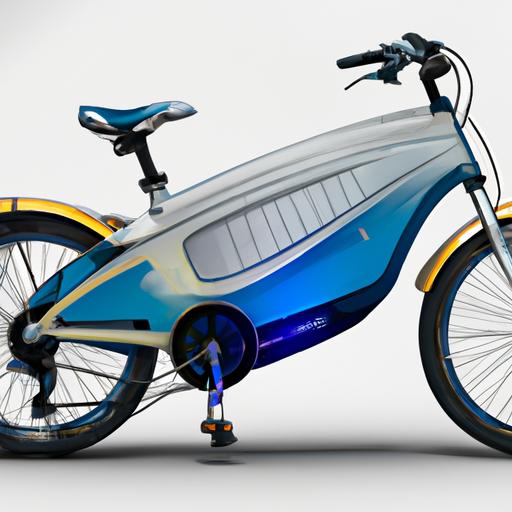
Are you curious why electric bikes are legal but electric scooters are not? With the development of electric transportation technology, more and more people are trying out electric bikes and scooters as a fun and fast way to get around.
But why can you ride an electric bike without any problems, while electric scooters are often banned? We’ll explore the differences between electric bikes and scooters, the laws governing each, and the benefits of each for riders.
Read on to find out the answer to why electric bikes are legal but not scooters.
Table of Contents
Short Answer
Electric bikes are typically considered bicycles and are subject to the same laws and regulations as traditional bicycles.
Electric scooters, on the other hand, are often categorized as motorized vehicles and need to be registered and insured in most jurisdictions.
Additionally, there are restrictions on where electric scooters may be ridden that differ from those for bicycles.
As a result, electric scooters are not legal in most places, while electric bikes are.
What are Electric Bikes?
Electric bikes are a popular alternative form of transportation that are increasingly becoming more popular in many countries around the world.
Electric bikes, or e-bikes, are bicycles that are powered by an electric motor, usually powered by a rechargeable battery.
Unlike traditional bicycles, electric bikes provide assistance to the rider when pedaling, allowing them to travel further distances with less effort.
Electric bikes generally have a maximum motor power of 250 watts and a maximum speed of 25km/h, making them a viable alternative for commuters.
Electric bikes come in a variety of styles and sizes, from folding bikes to cargo bikes and even mountain bikes.
Many electric bikes also come with additional features such as lights, fenders, and racks for carrying items.
These features make electric bikes a great choice for commuters and recreational riders alike.
Electric bikes are subject to different laws and regulations in many countries.
In the United States, electric bikes are classified as bicycles and are allowed to be used on public roads.
These regulations vary from state to state, so it is important to check the local laws before riding an electric bike.
In many countries, electric bikes are considered to be bicycles, meaning they are allowed on public roads and do not require registration or insurance.
What are Electric Scooters?

Electric scooters are electric vehicles that are powered by a motor, rather than a person’s physical exertion.
They typically have two or three wheels and handlebars, with the rider sitting on the platform or standing on the footrests.
Electric scooters are similar in design to electric bikes, but are usually more lightweight and compact.
They have a wide range of uses, from recreational use for fun, to commuting and errands, to last mile transportation.
Electric scooters are becoming increasingly popular as an alternative form of transport, particularly in urban areas.
Electric scooters typically have a motor that is powered by a rechargeable battery, and usually have a maximum speed of 25km/h.
Some electric scooters have a throttle, allowing the rider to control their speed manually, while others may have a variable speed system, allowing the user to select a specific speed.
Electric scooters can be powered by a variety of different types of batteries, including lead-acid, lithium-ion, and nickel-metal hydride.
Electric scooters can be extremely convenient, as they can be easily folded up and stored when not in use, and are typically lightweight and easy to maneuver.
They are also relatively inexpensive to purchase, and can be a great way to get around town.
However, electric scooters are subject to different laws than electric bikes, and are not always allowed on public roads.
What Are the Laws Around Electric Bikes?
When it comes to electric bikes, laws and regulations vary from country to country.
In general, electric bikes are considered to be bicycles and are allowed to be used on public roads in most countries, as long as they meet certain criteria.
For example, most countries mandate that electric bikes have a maximum motor power of 250 watts and a maximum speed of 25km/h.
This allows for the electric bike to be relatively slow and safe for use on public roads.
In addition, some countries have additional regulations that must be followed in order to use an electric bike on a public road.
For example, in the United Kingdom, electric bikes must have pedals and a maximum motor power of 250 watts.
In the United States, electric bikes must also be equipped with operating brakes, an electric motor that disengages when the bike reaches 15mph, and a speedometer.
These regulations are in place to ensure that electric bikes are safe to use on public roads and do not pose a risk to other road users.
By following these regulations, electric bikes can be used legally on public roads.
What Are the Laws Around Electric Scooters?

When it comes to electric scooters, the legal landscape is a bit more complicated than electric bikes.
Generally, electric scooters are not allowed on public roads and are considered motor vehicles, meaning they require registration and insurance to be used legally.
In some countries they may be allowed on cycle lanes and paths, but this is dependent on the local laws.
In the US, electric scooters are regulated at a state level, with some states allowing them to be used on public roads and some not.
For example, in California electric scooters are allowed on public roads, however, riders must be over 16 and wear a helmet.
Other states such as Texas and Florida require that electric scooters be registered as motor vehicles and carry insurance.
In the UK, electric scooters are not allowed to be used on public roads or pavements and are classified as motor vehicles.
However, there is a pilot scheme underway in a number of cities which will potentially allow electric scooters to be used on certain roads or cycle paths.
In Europe, electric scooters are largely treated as motor vehicles and thus require registration and insurance to be used legally.
However, some countries such as France have a special category of light motor vehicles that electric scooters can fall into, allowing them to be used on roads and cycle paths.
Overall, the laws around electric scooters vary from country to country, but generally they are not allowed to be used on public roads and are considered to be motor vehicles.
In order to use them legally, they must be registered and insured.
What Are the Differences Between the Two?
When it comes to the differences between electric bikes and scooters, there are several distinctions to be made.
The most obvious difference is in their design.
Electric bikes are designed to look and feel like traditional bicycles, with pedals and handlebars, while electric scooters are designed more like motorbikes, with a platform for the rider to stand on and a handlebar to control the scooter.
Another difference is in their power source.
Electric bikes are typically powered by a battery and a motor, while electric scooters are usually powered by an electric motor connected directly to the rear wheel.
This means that electric scooters are typically capable of much higher speeds than electric bikes.
Finally, there is the difference in the laws that apply to each type of vehicle.
Electric bikes are typically classified as bicycles and are allowed on public roads in many countries, while electric scooters are typically classified as motor vehicles and require registration and insurance to be used legally.
This is why electric bikes are legal but not electric scooters.
What Are the Benefits of Electric Bikes Over Scooters?

Electric bikes are often preferred over electric scooters due to their many benefits.
For one, electric bikes are more efficient in terms of energy consumption.
They are able to travel further on a single battery charge due to the fact that they rely on pedal assist technology, which helps to conserve energy.
Electric bikes are also much lighter than scooters and easier to transport, making them more convenient for commuters.
Additionally, electric bikes are also considered to be safer than scooters, as they have better brakes and are easier to handle in traffic.
Another advantage of electric bikes over scooters is that they are more affordable.
Electric scooters tend to be more expensive, as they require registration and insurance, and the parts and components are more costly.
Electric bikes, on the other hand, are relatively inexpensive and require no registration or insurance, making them ideal for budget-conscious commuters.
Finally, electric bikes are more environmentally-friendly than scooters.
Electric scooters are powered by gas, which produces emissions, whereas electric bikes are powered by electricity, which is a clean energy source.
Electric bikes also require less maintenance than scooters, making them a more sustainable option.
What Are the Benefits of Electric Scooters Over Bikes?
Electric scooters offer a number of advantages over electric bikes.
For one, they are much more lightweight and compact, making them easier to carry and store.
Additionally, electric scooters tend to have a higher top speed than electric bikes, making them a more attractive option for commuters looking for a faster, more efficient way to get around.
Furthermore, electric scooters require less physical effort than electric bikes, since you don’t need to pedal.
Finally, electric scooters tend to be more affordable than electric bikes, making them a great option for budget-conscious riders.
Final Thoughts
Electric bikes and scooters are both excellent alternatives to traditional transportation methods and can provide many benefits.
However, the laws around each are different and it’s important to understand them before using either.
Electric bikes are legal to use on public roads, provided they meet the criteria such as having a maximum motor power of 250 watts and a maximum speed of 25km/h.
On the other hand, electric scooters are not allowed on public roads and require registration and insurance to be used legally.
Thus, electric bikes are legal whereas electric scooters are not.
So if you’re looking to find an alternate form of transportation, remember to check the laws and regulations in your area to ensure you stay on the right side of the law.