
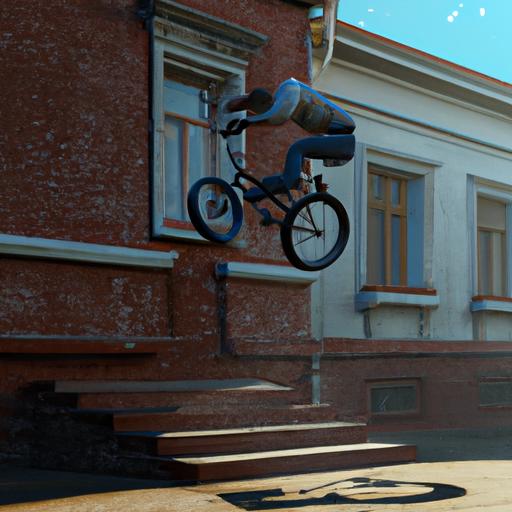
From the newest pro rider to the casual enthusiast, BMX riders of all levels know the importance of having the right bike and components.
But do BMX bikes have brakes? For many BMX riders, this is a question that needs to be answered.
In this article, we will break down everything you need to know about BMX brakes, including different types of brakes, the benefits of having brakes, how to choose the right brake system for your bike, tips for maintaining and repairing BMX brakes, and safety considerations when riding BMX bikes with brakes.
Let’s dive in and explore the world of BMX brakes!.
Table of Contents
Do Bmx Bikes Have Brakes?
Yes, most BMX bikes have brakes, usually either a handbrake or a coaster brake.
The type of brake will depend on the style of bike and its intended use.
BMX bikes that are used for racing usually have both brakes, while stunt or freestyle BMX bikes typically feature just one.
Types of BMX Brakes
When it comes to BMX bikes, the brakes are a crucial component.
Different types of brakes provide different levels of stopping power and control, so choosing the right one is important.
Here, we’ll look at the three most common types of brakes used on BMX bikes: U-brakes, Caliper brakes, and Disc brakes.
U-brakes are the most popular type of brakes used on BMX bikes, and are usually mounted on the rear.
They consist of two arms extending from the frame, with pads that press against the rim of the wheel.
U-brakes provide strong stopping power and are relatively easy to maintain.
Caliper brakes are another popular option for BMX bikes.
They are similar to U-brakes in that they use two arms with pads that press against the rims of the wheels, but are usually mounted on the front of the bike.
Caliper brakes are more lightweight and easier to adjust than U-brakes, making them a great choice for precision control.
Disc brakes are the most advanced braking system available for BMX bikes.
They consist of a disc rotor mounted to the hub of the wheel, and a caliper mounted to the frame.
When the brake lever is pulled, the caliper squeezes the rotor and the wheel slows down or stops.
Disc brakes provide powerful and precise stopping power, but require more frequent maintenance than other braking systems.
Finally, lever brakes are sometimes used on BMX bikes for rear brakes.
They consist of a lever mounted on the handlebars and a cable that runs to the brake itself.
When the lever is pulled, the brake is activated and the wheel slows down or stops.
Choosing the right type of brakes for your BMX bike depends on your riding style and preferences.
U-brakes and Caliper brakes are great for those looking for powerful stopping power and adjustable precision, while Disc brakes are ideal for those who want maximum control.
Lever brakes are a good option for those who want a reliable and easy-to-use rear brake.
Whatever type of brakes you choose, make sure your bike is properly set up and maintained for optimal performance.
Benefits of Having Brakes on BMX Bikes

Brakes are an essential component of a BMX bike.
Not only are they essential for safety, but they also provide riders with increased control and confidence.
Having brakes on a BMX bike allows riders to stop quickly and reliably, reducing the risk of injury or accident.
Different types of brakes offer different levels of control and stopping power, and are adjustable, so riders can customize their bikes to their specific needs and preferences.
Brakes provide riders with a powerful stopping system that gives them control and allows them to stop quickly, even in challenging terrain.
They also help reduce the wear and tear on the bike, as it prevents the need to skid or slide when coming to a stop.
By having brakes, riders have more confidence to try new tricks and take higher risks.
Brakes can also be used to slow down and maneuver around obstacles, such as rocks or logs.
Having brakes on a BMX bike also helps with tricks and stunts, as riders can control the speed of the bike more precisely.
The different types of brakes that can be used on a BMX bike range from basic stopping power, such as U-brakes or caliper brakes, to more precise control and stopping power, such as disc brakes.
By adjusting the brakes, riders can customize their bike to their specific needs and preferences.
In conclusion, brakes provide BMX riders with a reliable and powerful stopping system, which is essential for safety.
Having brakes on a BMX bike helps riders to stop quickly and safely, and also gives them the confidence to try new tricks and take higher risks.
Different types of brakes offer different levels of control and stopping power, and are adjustable, so riders can customize their bikes to their specific needs and preferences.
How to Choose the Right Brake System for Your Bike
When selecting a brake system for your BMX bike, there are various factors to consider.
The type of brake system you choose should depend on the type of BMX riding you do, as well as the type of terrain you will be riding on.
U-brakes and caliper brakes offer good stopping power, but they may not be suitable for all types of terrain.
Disc brakes offer more precise control and are better suited for more challenging rides, but they are heavier and more expensive than other brake systems.
For beginners, U-brakes and caliper brakes are the most cost-effective and require less maintenance.
They also tend to be lightweight, making them easier to maneuver.
U-brakes are generally the least powerful, but they are the most affordable and easiest to install.
Caliper brakes offer more stopping power and are more adjustable than U-brakes, but they are more expensive.
Disc brakes offer the highest stopping power and are the most adjustable, but they are also the heaviest and most expensive brake systems.
They are well-suited for more advanced riders who need precise control and stopping power on a variety of different terrains.
When selecting a brake system for your BMX bike, it is important to consider your budget, as some brakes can be quite expensive.
It is also important to factor in the weight of the brake system, as heavier brakes may be difficult to maneuver and may affect the performance of the bike.
No matter what type of brake system you choose, it is essential to ensure it is compatible with your frame and fork.
Doing your research and properly weighing all of your options can help you make the best decision for your BMX bike.
Tips for Maintaining and Repairing BMX Brakes

Maintaining your BMX brakes is essential for an enjoyable and safe ride.
Regularly checking and cleaning your brake system is the best way to ensure that your brakes remain in good working order.
For starters, it’s important to check the brake pads for wear and tear, as well as the brake lines for any signs of damage or corrosion.
If the brake pads are worn down, they should be replaced to ensure optimal stopping power.
It is also important to keep the chain clean and lubricated to ensure that the brakes are working properly.
This can be done by wiping down the brake pads and disc brake rotor with a cloth or brush.
If any parts of the brake system need to be repaired or replaced, it is important to do so as soon as possible.
This can include replacing worn brake pads, adjusting the brake cables, and replacing worn brake rotors.
If you are unsure of how to maintain or repair your BMX brakes, it is best to consult with a qualified bike mechanic who can help you with any necessary repairs and adjustments.
Finally, it is important to avoid using the brakes on wet or slippery surfaces, as this can cause the brakes to lock up and cause an accident.
Regularly inspecting and maintaining your BMX brakes is the best way to ensure that you have a safe and enjoyable ride.
If you take the time to regularly check your brakes and make sure they are in good working order, you will be able to enjoy your ride with peace of mind.
Safety Considerations when Riding BMX Bikes with Brakes
Maintaining and adjusting your brakes is essential for optimal safety and performance when riding a BMX bike.
It is important to regularly check the brake pads for wear, adjust the brake levers to the proper tension, and check the brake cables for fraying or rusting.
Additionally, riders should use the correct brake fluid and make sure the bike is well-tuned and the wheels are properly aligned.
It is also important to wear protective gear, such as a helmet, elbow pads, and knee pads, when riding BMX bikes with brakes.
Wet or slippery conditions should be avoided when possible, and riders should always be on the lookout for potential hazards like potholes, rocks, and other obstacles.
Brakes are an essential safety feature for any BMX rider and should be checked frequently to ensure they are functioning properly and are able to provide adequate stopping power.
Riders should also be aware of the terrain and their own riding style when selecting brakes for their bike, as some terrain and riding styles may require more powerful brakes than others.
It is important to also be aware of the bike’s limitations and the weight limits of the brakes, as some brakes may not be able to handle heavier riders.
Practicing proper braking technique is essential to ensure that riders can stop quickly and safely in any situation.
Riders should also be aware of the risks associated with riding with faulty brakes, such as the potential for serious injury if the brakes fail to work properly.
Finally, riders should make sure to abide by the laws and regulations in their area regarding the use of brakes on BMX bikes, as some areas may require specific types of brakes or may prohibit the use of certain types of brakes.
By properly maintaining and adjusting their brakes, BMX riders can ensure that they are safe and prepared for any situation.
Taking the time to check for wear and tear, adjust the brake levers, use the correct brake fluid, and practice proper braking technique can help to make sure that riders can ride with confidence and enjoy the sport of BMX safely.
Final Thoughts
Having a reliable braking system is essential for any BMX rider, and with the right knowledge, you can choose the perfect brake system for your bike.
While U-brakes and caliper brakes are the most common, you can also upgrade to a more modern disc brake for greater control and stopping power.
Be sure to maintain and repair your brakes regularly to keep them in working order and to ensure your safety when riding.
With this knowledge, you can now confidently hit the trails and have the peace of mind that your BMX bike is equipped with reliable brakes.