
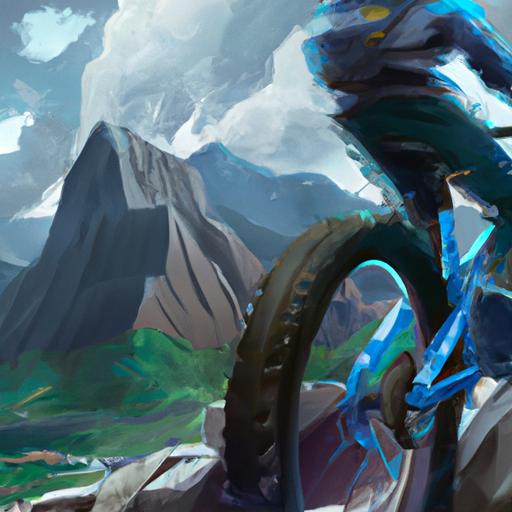
For mountain bikers, rain can mean the difference between an enjoyable ride and a frustrating one.
But don’t let a little rain keep you from hitting the trails.
In this article, you’ll learn how to prepare for mountain biking in the rain, from the right gear and maintenance to the proper clothing and extra precautions to take.
Plus, you’ll discover how to make the most of wet conditions and have an enjoyable ride even in the rain.
So grab your rain gear and get ready to learn how to mountain bike in the rain like a pro.
Table of Contents
Can You Mountain Bike In The Rain?
Yes, you can mountain bike in the rain, however, you should take extra precautions to ensure your safety.
Make sure to wear appropriate rain gear and be conscious of the slippery conditions you may encounter on the trails.
What Gear Do You Need for Mountain Biking in the Rain?
When the rain starts to pour, cyclists often have to find alternate routes or take a day off from their regular rides.
But with the right gear, you can stay safe and keep riding in the rain.
Here are some tips and must-have items that can help make your wet weather rides more enjoyable.
First and foremost, it’s important to make sure your bike is waterproof.
Apply a waterproof coating to the frame, and make sure the chain is lubricated with a water-resistant lube.
It’s also a good idea to attach mud guards and fenders to keep mud and debris off of your clothing.
To keep you dry, it’s important to wear layers of waterproof clothing, such as a windbreaker or rain jacket.
Make sure all seams are taped and waterproofed, and wear a helmet with a visor to keep rain out of your eyes.
To protect your hands, wear waterproof gloves, and wear shoes with good grip to prevent slipping.
You should also bring a waterproof bag to store items like your cell phone, wallet, and keys.
Bring a strong headlight and taillight, in case you get caught out in the dark, and consider bringing an extra set of waterproof layers, such as a beanie and gloves.
Finally, bring a waterproof map to help you navigate in the rain.
By following these tips, you can stay safe and keep riding in the rain.
With the right gear, wet weather rides can be just as enjoyable as dry weather rides.
So, gear up and hit the road!.
Tips for Taking Care of Your Bike in Wet Conditions

Riding in the rain can be a fun and exciting experience, but it can also be damaging to your bike if you don’t take the right precautions.
To make sure your bike is in top condition, it’s important to clean and lubricate it after every wet ride.
A good cleaning will help remove mud and debris, while lubricating the chain will prevent rust.
It’s also important to inspect the brakes and tires for wear and tear, as wet conditions can cause extra wear.
To protect your bike from the elements, use a waterproof cover and consider adding a layer of protective tape to the frame in muddy conditions.
Other important items to bring along include a spare tube, a bike pump, and a bike-specific lubricant such as WD-40 Bike Chain Lube.
Lastly, make sure all nuts and bolts are securely tightened before you hit the road.
Taking these precautions will help ensure that your bike stays in tip-top shape, even in wet conditions.
What to Wear When Mountain Biking in the Rain
When you’re mountain biking in the rain, it’s important to be prepared with the right clothing and accessories.
Not only will you be more comfortable, but you’ll also be safer.
Here are some tips for dressing for wet-weather mountain biking: Start with a waterproof outer layer, such as a rain jacket and pants.
This will keep you dry and warm in the rain.
Choose breathable fabrics like GORE-TEX to ensure you stay dry, and layer up for extra warmth and protection.
Bright colors will also help make you more visible in the rain.
To protect your head and eyes, wear a helmet and goggles.
Make sure your clothing fits properly to avoid chafing and discomfort.
Wear a waterproof helmet cover to keep your head dry.
For your feet and hands, wear waterproof gloves and long socks.
Clip-in pedals or shoes with good grip are a must to stay firmly in place in wet terrain.
Finally, add a base layer for extra warmth.
If you’re riding at night or in low visibility conditions, wear reflective gear.
By following these tips, you’ll be ready to tackle any wet-weather mountain biking adventure.
With the right clothing and accessories, you’ll be safe, dry, and comfortable throughout your ride.
Extra Precautions to Take When Riding in Slippery Conditions

Mountain biking in wet and slippery conditions can be a thrilling and rewarding experience, but it also requires extra caution and preparation.
Wet and slippery surfaces can increase the risk of accidents, so it is important to understand the terrain you will be riding on, adjust your riding technique accordingly, and wear the appropriate protective gear.
The most important thing to consider when riding in wet conditions is the terrain.
Wet surfaces can be unpredictable, so you should avoid steep, muddy, or uneven terrain.
It is also important to reduce your speed and take wider turns to give yourself more time to react to any changes in the terrain.
Be aware of your own limits and know when to slow down or stop.
In addition to being aware of the terrain, it is important to wear the appropriate protective gear.
A helmet, gloves, and other protective gear can protect you in case of a fall.
Additionally, investing in quality tires that are specifically designed for wet and slippery surfaces can provide better grip and stability.
Make sure your tires are properly inflated and have ample tread for grip, and adjust your suspension and tire pressure to account for the wetter terrain.
Consider investing in a pair of flat pedals to increase your footing.
Be extra cautious when cornering and braking in wet conditions; apply the brakes slowly in order to maintain control.
Be aware of the potential for muddy patches and areas where water has collected, and try to stay on higher ground, where terrain is more stable.
It is also important to be mindful of the risk of hydroplaning; avoid riding through large puddles of standing water.
Finally, be aware of the risk of hidden obstacles and debris; watch out for rocks and branches that could be hidden beneath the surface of the water.
With the right preparation and understanding of the terrain, mountain biking in wet and slippery conditions can be a safe and rewarding experience.
Be sure to pay attention to your surroundings and take the necessary precautions to ensure a safe and enjoyable ride.
How to Make the Most of Mountain Biking in the Rain
Mountain biking in the rain can be an exhilarating experience, but it is important to take the necessary precautions to ensure you stay safe and have fun.
The wet and slippery conditions can pose a challenge, but with the right gear and preparation, you can enjoy the unique experience of mountain biking in the rain.
Waterproofing your bike is essential to protect it from the elements.
This includes lubricating the chain, covering the cables and brakes, and applying a coating to the frame.
You should also wear waterproof clothing, such as a rain jacket, waterproof gloves, and waterproof pants.
Additionally, you may want to invest in a waterproof bike cover, waterproof bike bag, or waterproof bike frame covers.
When mountain biking in the rain, you should take extra precautions to avoid slipping and sliding.
This includes reducing your speed, avoiding sharp turns, and riding in a lower gear.
You should also be mindful of the road surface, as wet and muddy conditions can make it more slippery.
Additionally, you may want to use extra lighting, such as a headlamp or a flashing light, to make sure you are visible.
Mountain biking in the rain can provide a unique and exciting experience.
You can enjoy the beautiful scenery, improve your skills, and challenge yourself.
It is important to be prepared for the elements and carry extra water and snacks to stay hydrated and energized.
You should also bring a spare tire and a small toolkit in case of emergency.
So, if you are looking for an adventure, why not try mountain biking in the rain? With the right gear and preparation, you can enjoy the unique experience and challenge yourself to become a better mountain biker.
Final Thoughts
Mountain biking in the rain is an exciting and rewarding experience, as long as you take the necessary precautions.
With the right gear and a few tips, you can make the most of wet and muddy conditions and have a safe and enjoyable time.
Now that you know how to prepare for mountain biking in the rain, it’s time to get out there and take on the challenge!.