
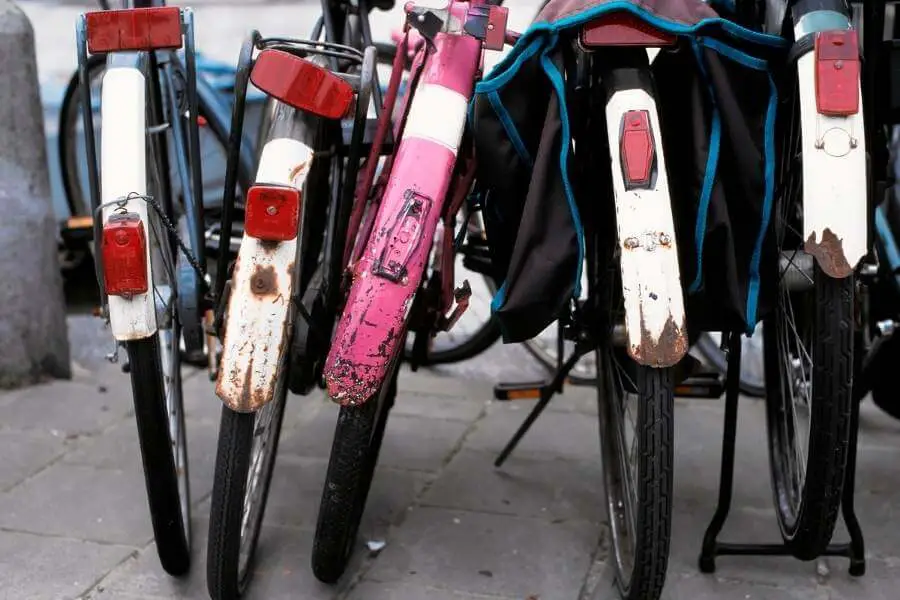
Some riders riding mountain bikes enjoy mudguards, while others despise them.
Manufacturers do not include mudguards on their bicycles. Is this for a valid purpose?
Table of Contents
Do You Need Mudguards on a Mountain Bike?
Mudguards are not standard equipment on mountain bikes since they are unsightly, prone to breaking, and can rub against the tires.
Mudguards are loud, add weight, and don’t work very well. They disrupt the mountain bike culture and are difficult to put on and take off.
They also raise the chance of an accident.
Mudguards’ drawbacks include the extra installation fees that mountain bike owners must pay when adding mudguards to their frames.
When they come into touch with dirt or water, they could also cause the bike to lose propulsion.
Fenders that are improperly mounted run the risk of becoming tangled in the system and harming disc brakes and suspension forks.
Finally, whether they are placed on the seat tube or at the back of the bike frame, they may make it more difficult to employ a chain guide.
The various accessories currently mounted to the bike frame and the rider’s preferred riding style play a significant role in determining whether or not mudguards should be installed.
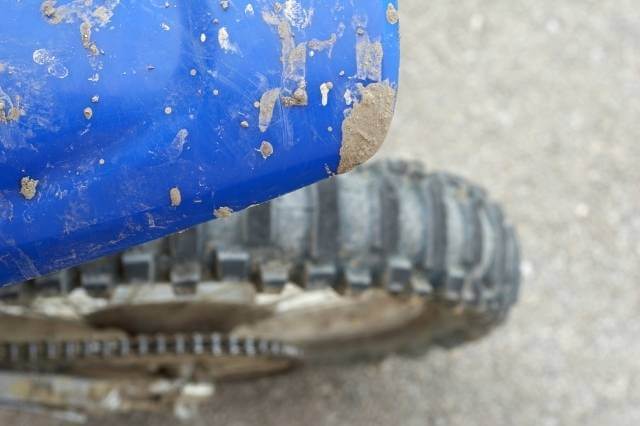
The Pros and Cons of Using Mudguards When Riding a Mountain Bike
Pros
The benefits of riding a mountain bike with mudguards are numerous.
They prevent debris from getting in your face, reduce dirt accumulation on the mountain bike, and prevent mud from getting on your rear.
Using Mud Shields to Keep Dirt, Debris, Water, and Mud off Your Face
The main benefit of installing mudguards on your mountain bike is keeping mud, water, grit, and other debris off your face.
Even while it’s amazing to capture a mud-splattered face in a photo at the conclusion of an exciting ride, the drawback of being unable to see might be a serious issue.
At first, I didn’t think it was a major concern, but after navigating the first soggy portion of the route, I was convinced.
The other bikers I was riding with were coated in overspray, and I could see clearly without getting a grit taste in my mouth.
Reducing the Accumulation of Dirt on the Mountain Bike
The second advantage is minimizing the accumulation of dirt on the mountain bike. Imagine all the debris, mud, and dirt flying off your front tire.
From the fork to the frame, everything is covered with mud.
The underside of the head tube is one area that is frequently overlooked while cleaning the bike after a muddy ride.
The first time I prepared my bike for the mudguard, I became aware of an accumulation that I had previously overlooked.
I am no longer noticing a buildup on the head tube’s underside thanks to the mudguard.
It will take time to see if this continues, but for the time being, it definitely reduces my cleaning time.
Maintaining Your Gear and Rear From Mud
There is a lot that is kicked up, even if you might not consider it too much until after your ride.
Sometimes it’s just a little grit and dust, but other times it makes your shorts appear like you just had Hershey squirts mid-ride.
If you neglected to pack a change of clothing for the journey home or a towel to cover the seat, this might get pretty nasty.
Nothing is more painful than trying to maintain your erect posture while riding back to the house with your seat tilted back.
With the addition of a rear mudguard, this will happen far less frequently.
While it won’t completely get rid of it, you will notice a big drop in unclean equipment.

Cons
So, we’ve seen the benefits. Let’s examine the drawbacks of installing a mudguard on your mountain bike.
The major drawbacks are that they could become clogged with mud, they might harm your bike, and if you choose the incorrect ones, your bike might end up looking like junk.
Mud Jammed up the Mudguards
Although I haven’t personally experienced this problem, I did discover it to be a source of irritation in various forums when doing research.
In other words, you run the risk of having your mudguards blocked if you ride in really muddy trail conditions.
Mud Guards May Really Harm Your Bicycle
You could really cause some damage to your bike if you apply it fast. That’s what occurred in my situation.
After they arrived, I was so excited to test them out that I didn’t give the frame a second thought.
I easily secured the rear mudguard with a zip tie and continued riding.
After a few trips, I observed scratches where the ties had made touch with the paint.
The straightforward solution, in this case, is to first put some frame guards on the frame.
If you follow these steps, you can keep an eye on the frame protector and easily replace it as needed.
The improper choice of mudguards might ruin the appearance of your bike.
I personally prefer a bike with clean lines, and the correct mudguards may help you maintain that look.
The SKS X-Tra-Dry QR Fender could work, but how much will it cost?
The majority of riders I know choose their bike based on its features and appearance.
If you attach this to your bike, the strange glances will undoubtedly stop. Personally, I don’t think it’s worthwhile.
The Blackburn mudguard attaches to your bike’s fork using velcro straps and costs roughly $15 to purchase.
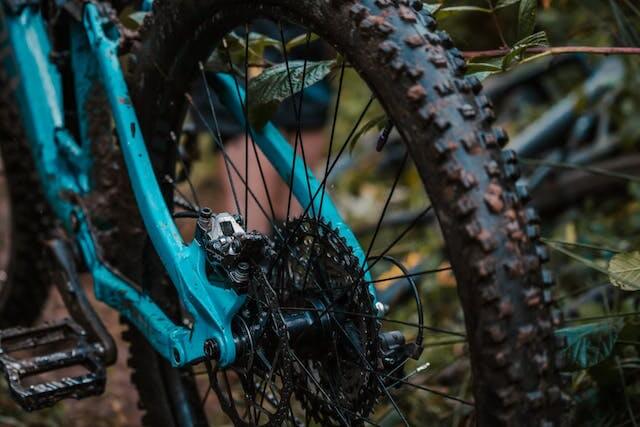
FAQs
Should My Mountain Bike Have a Mudguard?
This subject lacks a clear-cut solution since it is dependent on a number of variables, including the rider’s personal tastes, the style of riding, and the appearance of the bike.
If you want to ride a mountain bike in muddy, rainy weather throughout the winter, add a mudguard to the bike.
If you ride a mountain bike in the summer or in dry, sunny circumstances, don’t install a mudguard.
Does a Mudguard Fit Any Size of Wheel?
With the obvious exception of plus and fat bikes, all of the mudguards in this test are universal and may be used on bikes with any wheel size.
To make sure there is enough room, it is essential to check clearance carefully if you are using really wide tires (2.5 inches or wider) on a 29-inch bike.