
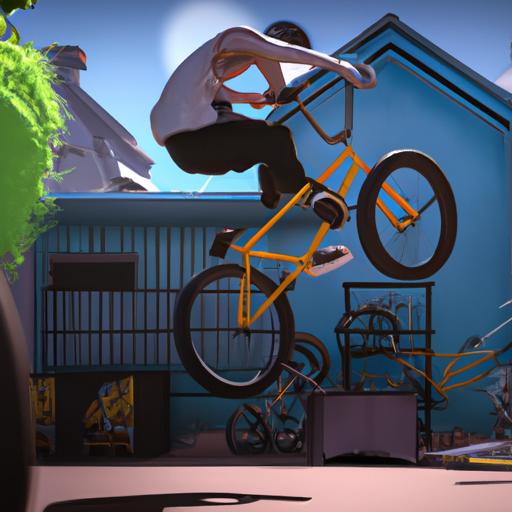
Do you want to know if you can take your BMX bike off-road? Or maybe you’re looking to try something new and explore trails with your BMX bike.
Either way, you’ll want to know the advantages and best practices for riding a BMX bike on trails.
In this article, we’ll cover what a BMX bike is, the advantages of using it for trails, tips for riding, different types of BMX bikes for trails, and the safety gear you should have.
So if you’re interested in taking your BMX bike off-road, let’s get started!.
Table of Contents
Can Bmx Bikes Go On Trails?
Yes, bmx bikes can go on trails.
However, trails that are meant for mountain biking may be too difficult for a bmx bike to handle.
It is best to check with the trail before attempting to ride on it with a bmx bike to ensure that it is safe and suitable for the bike.
What is a BMX Bike?
BMX bikes are designed to handle a variety of terrains and are ideal for navigating tight turns and jumps on trails.
Originating from the motocross scene, BMX stands for Bicycle Motocross and features 20-inch wheel sizes, strong frames, wide tires, and powerful brakes.
These features make BMX bikes lightweight, maneuverable, and ready for a variety of stunts and tricks.
Whether you are looking for a freestyle, cruiser, dirt jump, or street BMX bike, there is an option for you.
BMX bikes come in various sizes and styles, so it’s important to choose the one that fits your riding needs.
It’s also important to maintain your BMX bike properly to ensure a safe and enjoyable ride.
If you are interested in taking on the BMX biking world, it’s important to choose the right bike for you.
With the right BMX bike, you will be ready to take on the trails and impress your friends with stunts and tricks.
With proper maintenance, you can make sure your BMX bike will last you for years to come.
Advantages of a BMX Bike for Trails

For those looking for an affordable and versatile way to get around, BMX bikes are the perfect choice.
These off-road bikes are designed to tackle a range of terrain and offer features like strong frames, wide tires, and powerful brakes for extra traction and control.
BMX bikes are lightweight and maneuverable, making them ideal for navigating tight turns and jumps on trails.
The small frame also gives riders more control when performing stunts.
Not only are BMX bikes great for trails, but they can also be used for a range of activities, from casual riding to more extreme stunts.
With the right components, these bikes can be customized to meet the rider’s needs.
BMX bikes are also easy to maintain and require less frequent repairs compared to other types of bikes.
For those looking to experience the outdoors in a new way, BMX bikes are a great option.
With their strong frames, wide tires, and powerful brakes, they can easily handle a variety of terrain while providing riders with a thrilling ride.
Plus, these bikes come with a range of features and can be customized to meet the rider’s needs.
Whether you’re hitting the trails or performing stunts, BMX bikes are the perfect way to get out and explore.
Tips for Riding a BMX Bike on Trails
Mountain biking is a great way to enjoy the outdoors and get some exercise.
Whether you’re a beginner or a seasoned pro, it’s important to have the right tools and safety gear for the job.
For BMX riders, having the right bike can make all the difference.
BMX bikes are designed for off-road riding and can handle a variety of terrain.
When choosing a bike for mountain biking, it’s important to pick the one that’s best suited for the trails you’ll be riding.
Hardtail BMX bikes are best for trails with a lot of jumps and tight turns, while full suspension models are better suited for rougher terrain.
Make sure to properly maintain and service your bike regularly, and be sure to fit it with the right tires for the trail.
Safety is always a top priority.
Wearing protective gear, such as a helmet and pads, is a must.
Learn the basics of mountain biking.
Knowing the proper techniques for turning, braking, and cornering will help you stay safe and in control.
Start off with short rides and gradually increase the length of the ride over time.
Ride with caution and be aware of your surroundings.
But above all, have fun and enjoy the ride! Mountain biking is an exhilarating experience and one that can be shared with friends and family.
So, strap on your helmet, get out there and have some fun!.
Types of BMX Bikes for Trails

BMX bikes are a popular choice for riders who want to explore the outdoors and tackle challenging terrain.
However, with a variety of styles, sizes, and components, it can be difficult to know which type of BMX bike is best for you.
To help you decide, we’ve put together a guide to the different types of BMX bikes out there and their intended uses.
Freestyle BMX bikes are designed for stunts, jumps, and tricks, and are typically shorter in length with a steeper head tube angle.
This makes them more maneuverable and responsive to changes in terrain.
Dirt jump BMX bikes are also designed for off-road riding, with an even shorter wheelbase and steeper head tube angle for improved control and powerful brakes for downhill control.
For riders looking to tackle long-distance rides, trail BMX bikes are a great choice.
They have a longer wheelbase and slacker head tube angle for improved stability and comfort.
All-terrain BMX bikes combine the features of the other types, with a longer wheelbase, slacker head tube angle, wide tires for extra traction, and powerful brakes for downhill control.
When it comes to wheel size, BMX bikes typically come in 20″ and 24″ wheels.
The type of BMX bike you choose will depend on the type of trails you plan to ride, as well as your personal riding style.
Generally, BMX bikes can be divided into two categories: freestyle and race bikes.
Freestyle bikes are better suited for jumps, tricks, and stunts, while race bikes are better for speed and long-distance riding.
No matter which type of BMX bike you choose, its important to consider the type of terrain you’ll be riding on, as well as the frame size and components to fit your body type and riding style.
With the right bike, you’ll be able to take on any trail with confidence and ease.
Safety Gear for Riding a BMX Bike on Trails
BMX biking on trails is an exhilarating experience, but it’s important to be prepared and wear the right gear for a safe and enjoyable ride.
Before heading out for a ride, it’s important to check your bike for any loose or broken parts.
To further protect yourself, here are some tips for what to wear: Helmets: A helmet is the most important piece of BMX riding gear.
It should fit snugly and provide adequate coverage for the head.
It’s also a good idea to wear eye protection, such as goggles or glasses with shatterproof lenses.
Gloves: Gloves are essential for providing a good grip on the handlebars and protecting the hands from scrapes and blisters.
Look for full-fingered gloves with padding on the palms.
Pads: Knee and elbow pads are important for cushioning the effects of falls and other impacts.
Look for pads that are lightweight, breathable, and comfortable.
Shoes: Shoes are necessary for a secure footing on the pedals.
Wear shoes that are comfortable and won’t restrict movement.
Clothing: Wear clothing that is loose-fitting and will not get caught on branches, rocks, and other obstacles.
Long pants and shirts are recommended for added protection.
Hydration: Don’t forget to bring plenty of water and snacks to stay hydrated during the ride.
Following these tips and wearing the proper gear will help to ensure a safe and enjoyable ride when BMX biking on trails.
Final Thoughts
So, can BMX bikes go on trails? The answer is a resounding yes! With the right frame, tires, brakes, and gear, BMX bikes can handle a variety of terrain.
Not only can you ride casually, but you can also take on more extreme stunts.
Just make sure you have the right safety gear and maintain your bike regularly to get the most out of your BMX experience.
So grab your BMX bike, get out on the trails, and let the adventure begin!.