
Cycling is always a fun activity that never goes out of style. From adults to children, everyone loves this activity, and it’s also a great exercise.
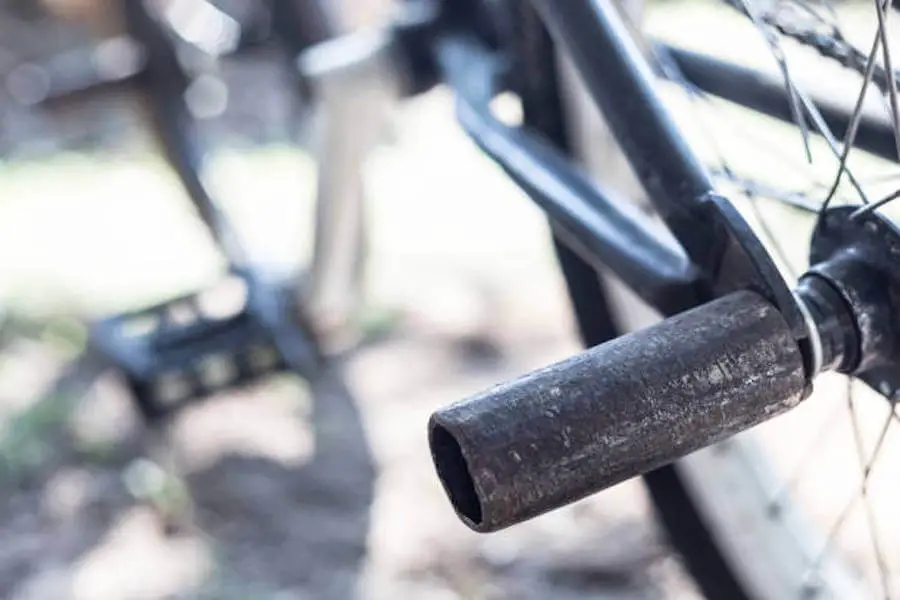
If you have a mountain or BMX bike, you should know how to put pegs on a mountain bike with quick release.
However, putting pegs on your bike is not always a good idea. We will cover this issue in our article. So let’s scroll down to get valuable information.
Table of Contents
How to Put Pegs on a Mountain Bike?
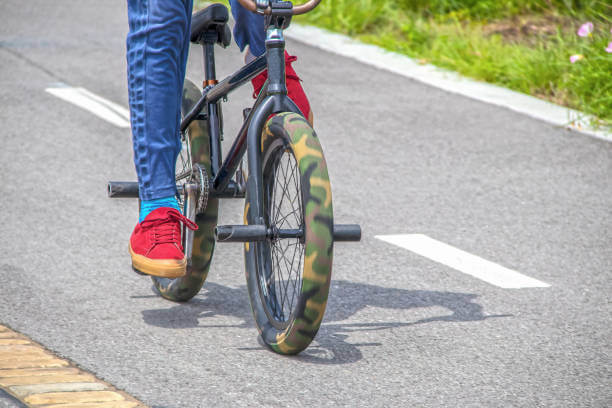
Step 1: Gather the Necessary Tools
- Axle rods (3/8”)
- Two wrenches (10mm)
- Hacksaw
- Dense automotive grease
- BMX pegs (Stainless steel is best)
Step 2: Manage the Pegs
You will need to grab the pegs’ lip portion while using a hacksaw to cut them off. It will ensure that pegs will fit your bike frame when screwing them together.
In this instance, you should choose heavy-duty pegs instead of plastic and aluminum variations which are more popular.
These parts will be responsible for supporting the overall weight of your entire bike. They will also support your weight while riding.
So picking a sturdy frame is essential. Ensure that your chosen pegs are flushed before installing them.
If you ignore this precaution, the frame may gradually bend and damage the axle.
Step 3: Apply the Axle
You will need to prepare the appropriate axles for installing pegs. Not every axle can work well with pegs and can grasp and strengthen them properly.
For a safe riding experience, we recommend otp for 3/8” axle rods since they are compatible with most kinds of pegs.
Considering how narrow and hollow your bike’s quick releases are, avoid putting pegs directly on this part as it can break.
You should consider a more unorthodox approach: installing a small shaft on your bike frame.
You can expect this shaft to work well in holding your pegs and their supporting weight.
Step 4: Redevelop the Hub
Once you have installed pegs to your shaft, it is time to begin reconstructing your bicycle hub.
It is a simple process. You just have to use your wrench to remove your bike’s back wheel, take apart lug nuts, and disconnect loose bearings.
After that, insert your axle through the hub’s hollow body. Then smoothen the process further using automotive grease before tightening the smaller pieces.
Step 5: Reconnect the Tire
Lastly, putting the tire back on your bike is essential. Reattack it properly and then connect the bike’s chain with it.
Screw your pegs to the frame and axle. Ensure that all the components and nuts fit nicely on your peg.
Don’t miss out on any piece if you don’t want your pegs to fall off.
Why Putting Pegs on Your MTB May Be a Bad Thing?
Social Criticism
You may have to be prepared to face much scrutiny from your fellow riders.
Looks
Many riders find that mounting pegs on mountain bikes will ruin their aesthetic.
Weight
A peg can weigh up to 200 grams. You’ll add almost one kilo to your bike if you install four.
Extra Tools
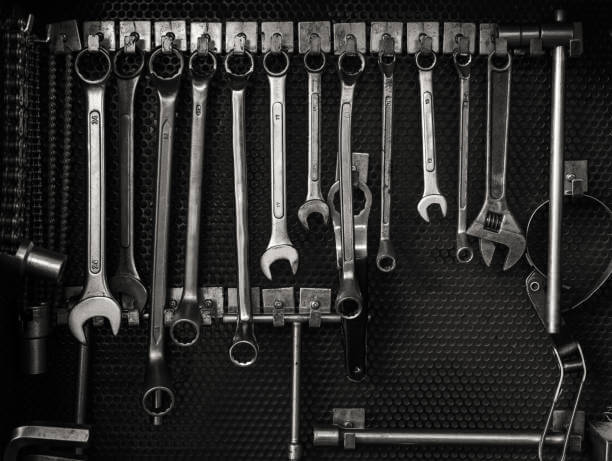
For installing pegs to your mountain bike, it is essential to prepare some tools, such as a socket and wrench extension.
Without additional tools, it is impossible to get the job done.
Wider Profile
The peg will widen your bike, which is a disadvantage for mountain bikers as it will reduce the bike’s clearance.
For example, if your front pegs reach a branch, your bicycle may change direction suddenly, causing you to fall.
Fragile Mech
The grinding process can cause the rear derailleur of your mountain bike to quickly get damaged.
A collision against a ledge will make that happen. Also, if the derailleur gets into the spokes, it will disintegrate your bike’s wheel.
Insecure and Difficult Installation
You will mount pegs to your bike’s axles. Most mountain bikes use quick-release skewers whose structure and function are incompatible with the peg.
The quick-release skewer is too short, and you cannot tighten it if you attach a peg to it.
Various mountain bikes go with thru-axles, which are also not ideal for setting pegs. The reason is that they’re short and not suitable.
Risk of Frame and Fork Damage
Fitting the pegs on your mountain bike and using them incorrectly can damage your bike’s frame and fork.
MTB frames’ tubing is most easily damaged as it is longer and not as durable as that of BMX bikes.
When someone jumps on a ledge, your peg will act as one short lever, stress your bike’s fork, and frame statically and dynamically.
Moreover, most frames of mountain bikes are made from carbon or aluminum, which do not deal great with impact.
Aluminum is softer and will be easily cracked or scratched when hit. Meanwhile, carbon is poorly resistant to impact coming from the sides.
Once your MTB fork and frame are damaged by using pegs, the manufacturers will not perform the warranty due to misuse.
A BMX bike can easily deal with the stress of the peg as it features a thicker steel frame made from more rigid and shorter tubing.
When Should You Install Pegs on a Mountain Bike?
Mounting pegs is safer for mountain bikes with the following criteria:
Chromoly Frame

Steel has significantly better impact resistance than carbon and aluminum. Therefore, high-end frames for mountain bikes usually come in Chromoly steel.
Single-Speed
A single-speed bike does not feature derailleurs, reducing susceptibility to technical failures during cycling.
High Bottom Bracket
If your bike has a too-low bottom bracket, the cranks might interfere with grinding themselves because they lack clearance.
That is why you want a higher bottom bracket to make it work.
Rigid Steel Fork
In most cases, the suspension fork is made from aluminum and is not designed to resist the stress created by pegs.
If you prefer to install pegs on your mountain bike, rigid Chromoly forks are your best bet. In addition, you might avoid putting the front peg in the first place.
Strong Hubs With Longer Bolt-on Axles
Installation of pegs require reinforced hubs and bolt-on axles.
It is fairly easy to find them in the MTB world as the industry relies on quick-release and thru-axles skewers.
FAQs
Can I Stand On Pegs?
The answer is yes. You can stand on pegs. But we do not recommend doing so.
How Much Weight Can My Pegs Hold?
You can mount these pegs on both the rear and front wheels, and their average weight limit is 300 pounds. The sewing weight limit may vary from bike to bike.
What Do I Gain From Installing Pegs On My Mountain Bike?
If you prefer to turn your regular mountain bike into one pure street machine, you might be disappointed as the entire geometry of the bike is designed for a different cycling style.
But if you just want to add more versatility to your mountain bike, it is okay to put pegs as long as you accept the dangers and limitations.
Is The Peg Utilized Solely For Grinding?
The answer is yes. Many riders can also use pegs for various street tricks, such as wheelies and manual variations.
In addition, many people use pegs to transport people as a non-regulated usage. Two ways allow you to complete this task:
Firstly, the passenger will stand on your pegs and firmly hold the handlebars or your shoulders.
The other way involves your bike’s rear rack. Your passenger will sit on the rear rack and put their feet on the rear pegs.
Many pegs offer wider platforms, allowing your passenger to stand firmly without having to balance as much.
Is It Possible to Put Pegs on My Dirt Jump Bike?
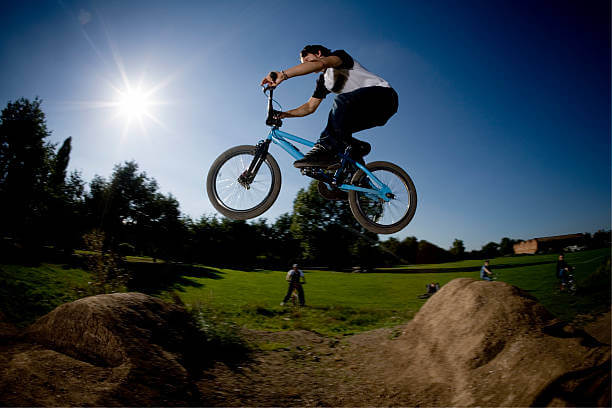
It is okay to install pegs on your dirt jump bike if it comes with a Chromoly frame, bolt-on axles, and a durable fork that can deal with the lateral stress.
The Bottom Line
As we can see, mountain bikes ideal for putting pegs must meet some special requirements that set them apart from current mountain bike standards.
Can you install pegs on your mountain bike? It will be okay if you prefer adding more flexibility to your MTB that is already utilized for mild tricks.
However, you will need to be aware of the hazards and restrictions. Now that you have our guide on putting pegs on a mountain bike.
You will not have to worry about getting a bike without pegs. It is easy to buy them separately and install them on your mountain bike.